DreamSofa Examines Why Frame Construction Determines a Sofa’s Lifespan and Reupholstery Value
BEVERLY HILLS, CA, UNITED STATES, September 21, 2026 /EINPresswire.com/ -- DreamSofa has detailed why the internal
Press Release Disclaimer: This is a press release distributed through the XPR Media network. It has not been independently verified by our newsroom.
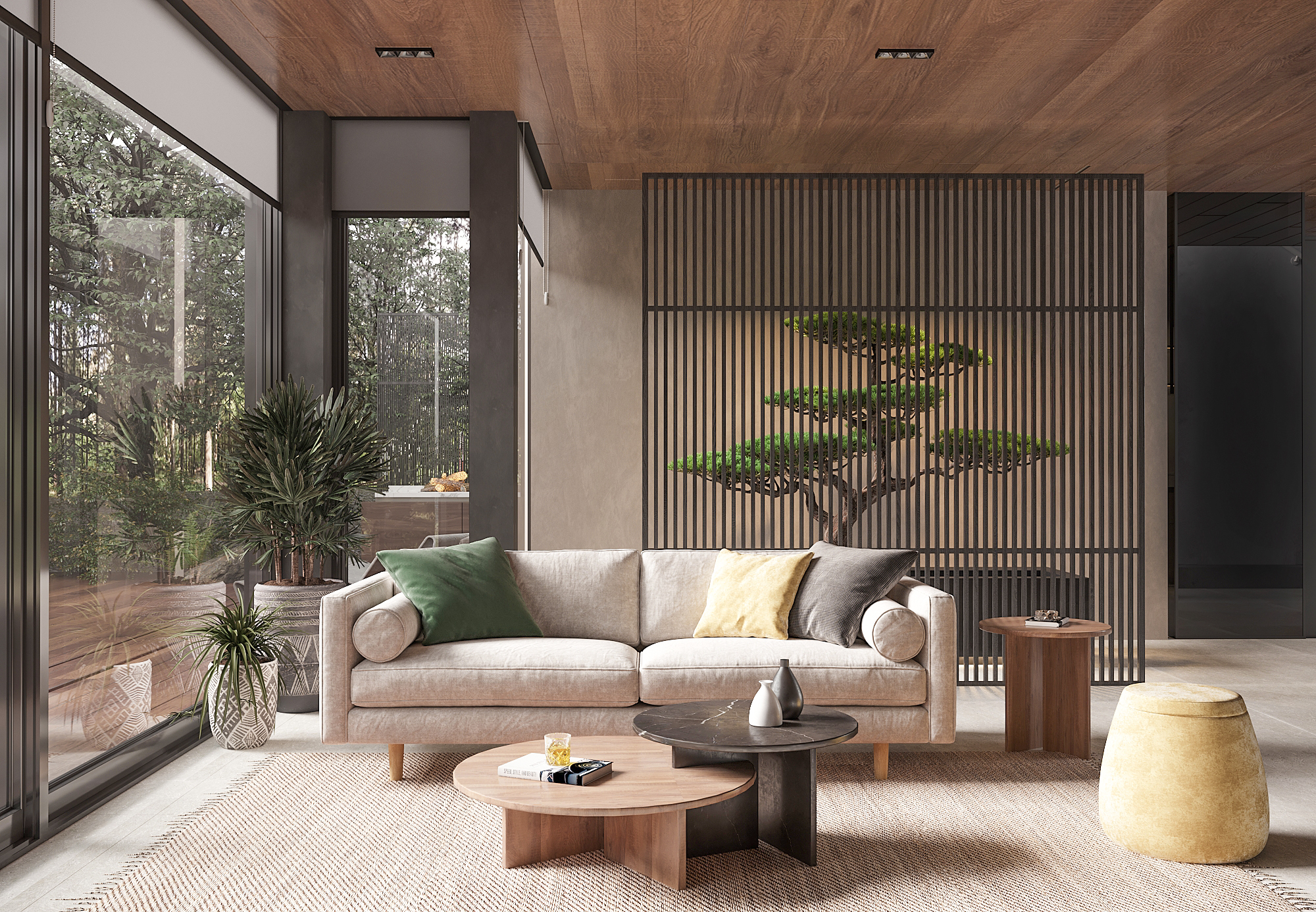

BEVERLY HILLS, CA, UNITED STATES, September 21, 2026 /EINPresswire.com/ — DreamSofa has detailed why the internal frame of a sofa, rather than its visible fabric, is the primary factor in how long the piece lasts and whether it is worth reupholstering. The Los Angeles–based custom manufacturer says the relationship is frequently inverted by consumers, who tend to judge a sofa’s condition by its surface — replacing pieces whose fabric looks tired but whose structure is sound, or investing in reupholstery for frames that have already failed.
The distinction matters because the two kinds of wear are not equivalent. Fabric wear is cosmetic and, in most cases, reversible; a frame that has cracked, loosened at the joints or lost its suspension is generally at the end of its useful life. According to DreamSofa, understanding which layer has actually worn out is what separates a sound reupholster-or-refresh decision from money spent on a lost cause.
Several construction elements determine how long a frame lasts. Kiln-dried solid hardwood resists the warping and cracking that affect softwoods and engineered panels such as particleboard, which the company says is a common point of failure in inexpensive furniture. Joinery is the next factor: frames that are doweled, corner-blocked and glued-and-screwed hold together under years of load in a way that stapled construction does not. Suspension — the support system beneath the cushions — carries the sitter’s weight, and heavier-gauge sinuous springs or hand-tied systems outlast lightweight webbing. Cushion foam density affects how long a seat holds its shape; DreamSofa builds with 2.5-pound high-density foam, a benchmark it refers to as the 2.5-pound rule, and says frames built to this standard are engineered to last 15 to 20 years or more, backed by a lifetime frame warranty.
“People look at a sofa and see the fabric, so that is what they judge it by, but the fabric is the one part designed to be changed,” a DreamSofa spokesperson said. “The frame, the joinery and the suspension are what determine whether the piece has years left in it. A worn cover on a solid frame is a cosmetic problem. A failing frame under a perfect cover is a structural one, and no amount of reupholstery fixes that.”
That logic drives the reupholster-or-replace decision. Where the frame and suspension remain sound, refreshing the surface — through traditional reupholstery or, in DreamSofa’s model, swapping covers and inserts through its DesignXChange program — keeps the durable structure and renews the appearance. Where the frame is failing, the company says, reupholstering it is spending on a foundation that will not last. DreamSofa builds this principle into its products by separating the cosmetic layer from the structural core, allowing covers and inserts to be changed without reupholstering and offering machine-washable covers for routine maintenance.
The company does not present reupholstery as universally worthwhile even on a good frame. Reupholstery labor can be expensive, and on some pieces the cost approaches that of replacement, which can make it hard to justify economically. Sentimental value or the quality of an older, well-built frame may tip the decision toward reupholstering regardless; conversely, the lightweight frames common in fast furniture are usually not worth the investment. DreamSofa frames the choice as a case-by-case assessment of the structure beneath the fabric rather than a rule that always favors one path.
Warranty terms, the company adds, can serve as a useful signal in that assessment. DreamSofa notes that many furniture warranties are written primarily to protect the retailer or manufacturer rather than the buyer, and that the length and scope of a frame warranty can indicate how much confidence a maker has in its own construction — information a buyer can weigh before deciding whether a given frame is worth keeping.
“Before anyone decides to reupholster or replace, the question to ask is what the frame is made of and how it was built,” the spokesperson said. “If the answer is solid hardwood with proper joinery and real suspension, the piece is usually worth keeping and refreshing. If the answer is particleboard and staples, the fabric is rarely the reason it is failing, and reupholstering it is not the answer.”
DreamSofa says it treats the frame as the true measure of a sofa’s lifespan and positions surface refreshes — whether reupholstery or a cover swap — as a rational choice only when the structure beneath is sound enough to justify them.
About DreamSofa — DreamSofa is a Los Angeles–based custom furniture manufacturer specializing in made-to-order modular sofas, sectionals and sleeper sofas built in the United States. Its customization framework, DreamCustom, lets buyers specify style, size, fabric and finishing details, with pieces manufactured to the inch through its FlexForm sizing system. The company’s tools and programs include DreamStudio, a 3D and augmented-reality room configurator; DreamModular, a tool-free reconfigurable seating system; DreamSleeper, a sleeper-sofa system engineered without a conventional support bar; and DesignXChange, a program for swapping covers and inserts. Products are offered with white-glove delivery, a 100-day trial and a lifetime frame warranty. More information is available at dreamsofa.com.
Maria Gonzalez
MGP
+1 305-204-8988
email us here
Legal Disclaimer:
EIN Presswire provides this news content “as is” without warranty of any kind. We do not accept any responsibility or liability
for the accuracy, content, images, videos, licenses, completeness, legality, or reliability of the information contained in this
article. If you have any complaints or copyright issues related to this article, kindly contact the author above.

Media gallery