Xeriscape Landscaping: Albuquerque Expert Explains Rebates & Water Savings
Key TakeawaysAlbuquerque's Water Utility Authority provides a rebate of $3.00 per square foot for qualifying
Press Release Disclaimer: This is a press release distributed through the XPR Media network. It has not been independently verified by our newsroom.

Key Takeaways
- Albuquerque’s Water Utility Authority provides a rebate of $3.00 per square foot for qualifying turf-to-xeriscape conversions, issued as a credit to the water bill at the service installation address, which can add up to a $3,000 credit for 1,000 square feet of replaced lawn
- A typical Albuquerque lawn can use about 25,000 gallons of water a month in summer, while an established xeriscape can meaningfully cut outdoor water use once plants mature
- Rebate approval requires an inspection and written notice to proceed before any turf removal begins, so timing the application matters
- Choosing the right drought-tolerant plants and irrigation setup affects both long-term water savings and how well a xeriscape holds up year after year
Albuquerque home and business owners watching their water bills climb every summer have a real reason to rethink their lawns. Converting thirsty turf into xeriscape landscaping is one of the most effective ways to cut outdoor water use, and the Albuquerque Bernalillo County Water Utility Authority (ABCWUA) offers financial incentives for qualifying projects.
“Good xeriscape landscaping starts with understanding the property, from its irrigation needs to the plants that will thrive there,” says Jack Lantry, owner of LaBarge Landscape. “The goal is to create an outdoor space that conserves water, looks attractive, and remains manageable for years to come.”
Understanding how the rebate works, what it takes to qualify, and how to plan the conversion properly can mean the difference between a xeriscape that delivers lasting savings and one that falls short of its potential.
A $3-Per-Square-Foot Rebate Credit Awaits
The ABCWUA provides a rebate of $3.00 per square foot for qualifying turf that gets converted to xeriscape within its service area. The rebate is issued as a credit to the water bill at the service installation address, rather than as a direct cash payment. For a property swapping out 1,000 square feet of lawn, that works out to a potential credit of $3,000, a meaningful offset against the cost of removing grass and installing drought-tolerant plants, mulch, and updated irrigation.
That credit is not automatic, though. The program has specific rules about what counts as qualifying turf, how the new design must be configured, and what paperwork has to be filed before a single shovel touches the ground. Property owners who understand these requirements going in are better prepared to complete the application correctly.
How Much Water Xeriscape Actually Saves
Lawns in Albuquerque’s high desert climate require large amounts of water, and the numbers make the case clearly. Xeriscaping provides a practical answer to that demand, cutting water needs while keeping a property looking cared for and attractive.
Monthly Lawn Use vs. Established Xeriscape
A typical Albuquerque lawn can use roughly 25,000 gallons of water per month during the summer to stay green, depending on its size and irrigation requirements. An established xeriscape can meaningfully reduce outdoor water use once the plants have matured and their root systems become more efficient at drawing moisture from the soil.
Reduced Maintenance, Reduced Labor Costs
Water is not the only expense that shrinks after a turf conversion. Mowing, edging, fertilizing, and dethatching a large lawn all add up in time and money, especially for commercial properties with sprawling common areas. Xeriscaped grounds trade that recurring labor for occasional pruning, mulch refreshing, and seasonal cleanup, which can reduce both maintenance demands and associated costs.
Qualifying for the ABCWUA Rebate
Earning the rebate takes more than ripping out grass and planting a few succulents. The ABCWUA has a defined process, and following it in order protects the rebate from being denied after the work is already done.
Inspection and Written Notice to Proceed Required First
Before any turf removal begins, property owners must submit an application and receive authorization from the ABCWUA. The standard process includes an initial inspection to confirm that the turf area meets the program’s criteria, followed by written notice to proceed. However, applicants should verify current inspection availability and approval procedures directly with the utility before scheduling work.
Removing grass before receiving the required authorization can jeopardize rebate eligibility, regardless of how water-efficient the finished xeriscape becomes.
Approved Plants, Irrigation, and Mulch Requirements
Once approved, the new xeriscape installation must meet the program’s applicable design standards, which include:
- Plant selections consistent with the ABCWUA’s xeriscaping guidelines
- Appropriate conversion of existing spray irrigation to water-efficient watering methods
- A minimum of three inches of mulch placed between plants
These requirements help reduce unnecessary water use, limit weed growth, and support the long-term performance of drought-tolerant landscaping.
Planning a Successful Turf Conversion
A rebate-qualifying xeriscape works best when it starts with a clear plan. Thoughtful preparation before installation can prevent problems that show up later, from patchy plant growth to drainage headaches during monsoon season.
Assessing Irrigation, Plants, and Drainage
A thorough site assessment looks at the existing irrigation system to determine what needs modifying, which plants will thrive in each microclimate across the property, and whether any areas need grading to handle drainage properly.
Hydrozoning, or grouping plants with similar water needs together, is an established xeriscaping practice that supports efficient irrigation. On sloped properties, drainage improvements or retaining walls may be necessary to control runoff and protect newly planted beds.
Capping Spray Heads for Drip or Bubbler Lines
Converting irrigation is an important part of many rebate-eligible projects. Drip irrigation delivers water directly to plant root zones, reducing losses associated with overspray and runoff.
Capping existing spray heads and modifying irrigation lines requires careful planning, particularly on older properties where the original system may not suit the new plant arrangement.
Three Inches of Mulch for Weed Control
Mulch does more work than most people realize. A three-inch layer helps retain soil moisture, moderate soil temperature, and suppress weed growth.
Insufficient mulch coverage can leave exposed soil vulnerable to weeds and moisture loss, undermining both the appearance and water-saving benefits of the installation.
Choosing Drought-Tolerant Plants for Albuquerque
Plant selection plays a major role in a xeriscape’s long-term performance. Albuquerque’s climate supports a variety of drought-tolerant plants that can provide seasonal color, texture, and visual interest.
Common options include:
- Chamisa, known for its silvery foliage and yellow blooms
- Apache Plume, a hardy native shrub with feathery seed heads
- Desert Willow, which provides seasonal flowers and light shade
- Russian Sage and Lavender, valued for their aromatic foliage and flowers
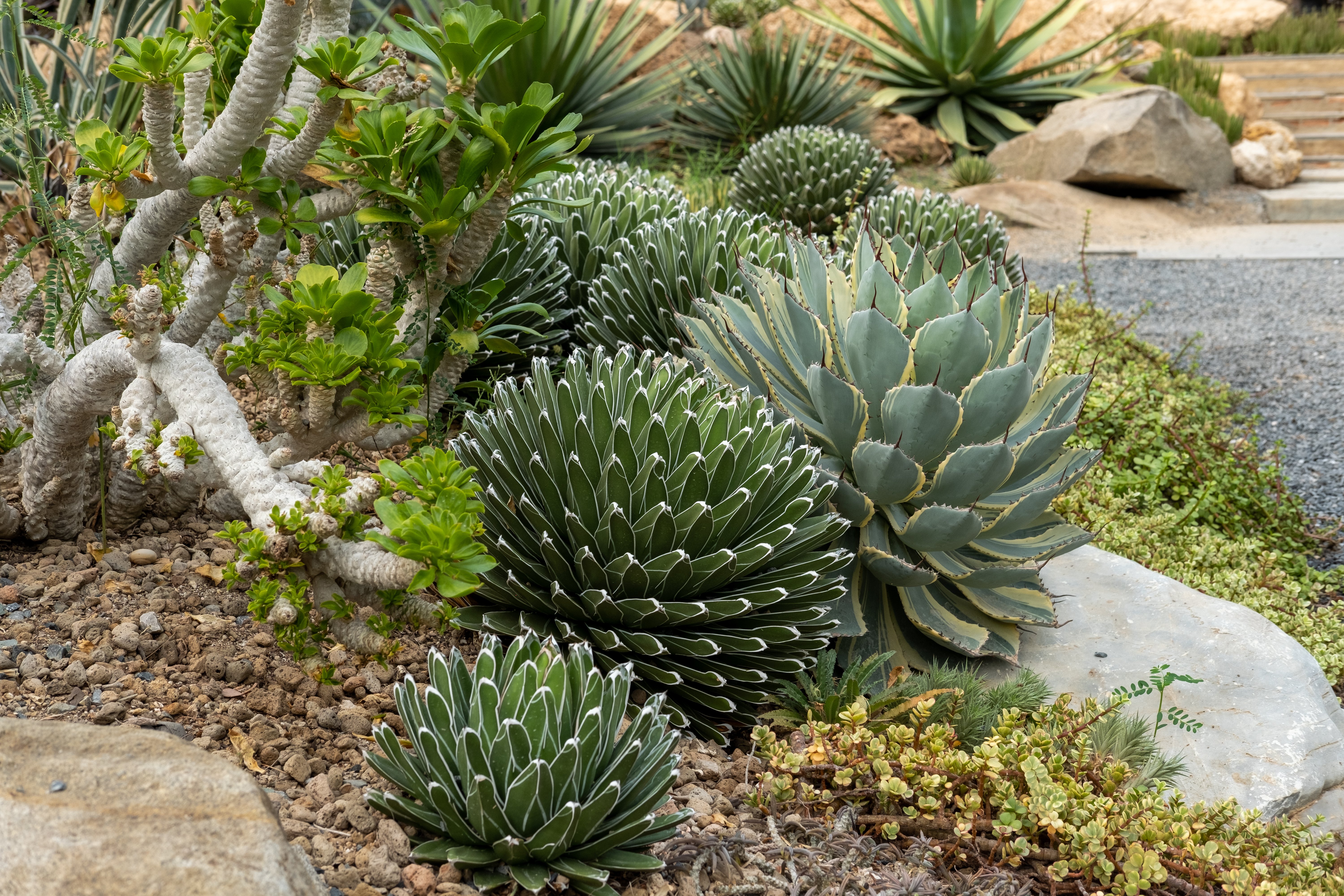
- Yucca and suitable Agave varieties, which offer architectural interest
Native and climate-adapted plants can reduce irrigation requirements once established while providing habitat and food sources for local pollinators. Final selections should account for soil conditions, sun exposure, available space, and winter hardiness.
Keeping Xeriscape Healthy Year-Round
Xeriscaping is often described as low-maintenance, although it still requires periodic attention. Weed infestation and groundcover erosion are two common concerns when landscaped areas are neglected.
Mulching, groundcover management, periodic weeding, and irrigation inspections help keep planting beds healthy and attractive. Seasonal cleanup also matters, particularly after windy spring weather or heavy monsoon rainfall.
Property owners who address these tasks routinely can protect their investment and maintain the appearance of their landscape over time.
Xeriscaping Pays Off in Savings and Value
The financial benefits of turf conversion extend beyond monthly water bills. Reduced irrigation demands, fewer lawn-care tasks, and potential ABCWUA rebates can make xeriscaping an attractive option for homeowners and businesses considering long-term landscape improvements.
For property owners considering a turf-to-xeriscape conversion, understanding the site’s irrigation needs, rebate requirements, and long-term maintenance considerations is an important first step. LaBarge Landscape’s website provides additional information on residential and commercial xeriscape services, helping homeowners and businesses better understand what to expect from the process.
LaBarge Landscape
rlantry@labargelandscape.com
+1 505 345 3000
2110 Claremont Ave NE Ste C
Albuquerque
New Mexico
87107
United States