Zebra Mussels Detected for First Time in North Dakota’s Lake Sakakawea
Zebra mussels, an invasive species, have been detected for the first time in Lake Sakakawea, North Dakota. This finding emphasizes the critical responsibility of all watercraft users in preventing the further spread of invasive species through practices like cleaning, draining,…

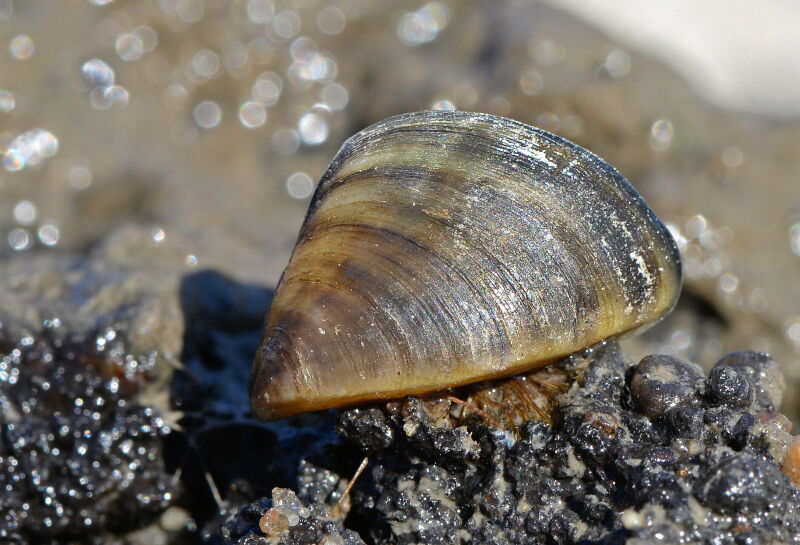
 Rochester Mason City Austin, MN, November 7, 2026 — Zebra mussels, an invasive species, have been confirmed for the first time in Lake Sakakawea, a major reservoir in North Dakota. The detection highlights ongoing concerns about the spread of aquatic invasive species within the state’s waterways.
The presence of zebra mussels in Lake Sakakawea marks a significant environmental development for the region. These small, non-native mollusks can have profound impacts on aquatic ecosystems, native fish populations, and water infrastructure. Their proliferation can alter food webs, reduce biodiversity, and cause costly damage to pipes and other submerged structures.
Authorities have stated that this finding underscores the critical importance of preventative measures for all individuals using watercraft. The primary method for controlling the spread of zebra mussels and other invasive species involves diligent decontamination of boats and equipment between bodies of water. This includes practices such as thoroughly cleaning all surfaces, draining all water from bilges, live wells, and bait buckets, and allowing equipment to dry completely.
While the summary states that this detection emphasizes the responsibility of watercraft users, the specific date of detection, the entity or individuals who made the detection, and the exact location within Lake Sakakawea were not provided. Information regarding any immediate management plans or further investigations by state agencies was also not detailed in the provided summary.
The implications of this discovery are far-reaching, as invasive species can be difficult and expensive to manage once established. The success of efforts to contain their spread often relies heavily on public cooperation and adherence to established protocols. State agencies typically provide guidelines and resources to educate the public on how to properly inspect and decontaminate watercraft to prevent the introduction and spread of invasive species.
The long-term ecological and economic consequences for Lake Sakakawea will depend on the extent of the infestation and the effectiveness of ongoing containment and management strategies. The responsibility for preventing further spread rests with every boater and angler, requiring consistent vigilance in cleaning, draining, and drying their equipment after each use.
Story summarized from the original created by Andrew Weeks on www.postbulletin.com, see more information here.
Media gallery