Minnesota DNR Forecasts Promising Pheasant Season Based on Population Growth
The Minnesota Department of Natural Resources (DNR) anticipates a promising pheasant season based on roadside surveys indicating a healthy and increased state pheasant population. Favorable conditions from a mild winter and a drier, warmer spring have contributed to this growth,…
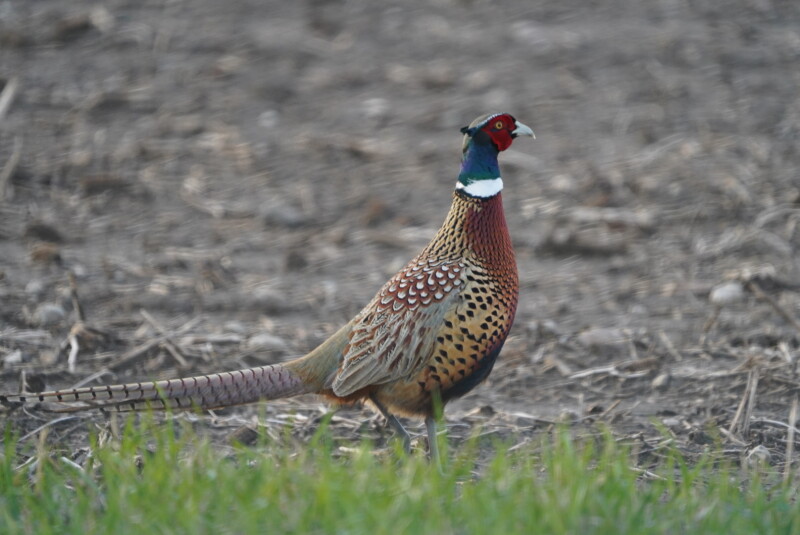
 Rochester Mason City Austin, MN, September 19, 2026 — The Minnesota Department of Natural Resources (DNR) is projecting a positive outlook for the upcoming pheasant hunting season. Roadside surveys conducted by the agency have revealed a healthy increase in the state’s pheasant population, suggesting a promising season for hunters.
According to the DNR’s findings, a combination of favorable weather patterns over the past year has contributed to the observed population growth. A mild winter allowed more birds to survive the colder months, while a subsequent drier and warmer spring provided beneficial conditions for nesting and brood-rearing.
The surveys indicated notable upticks in pheasant numbers across several key regions of the state. Significant population increases were reported in the west-central, central, and south-central areas of Minnesota. These regions are historically important for pheasant hunting and are expected to offer good opportunities this year.
The official pheasant hunting season is set to commence on October 10. Hunters are advised to consult the latest regulations and any specific local advisories issued by the DNR prior to the opening day. The current forecast, based on extensive roadside surveys, points towards an improved hunting experience due to the increased availability of pheasants in the surveyed areas.
The contractor or specific individuals involved in conducting the surveys were not detailed in the provided information. Likewise, specific methodologies or the exact number of birds counted were not publicly disclosed as part of this initial trend summary. The DNR typically relies on these surveys as an indicator for the general health and abundance of wild pheasant populations across Minnesota.
Further details regarding hunting regulations, specific zone information, and success rate expectations will be made available by the Minnesota DNR closer to the season’s opening. The agency’s report highlights a generally positive trend that could translate into a more productive season for sportsmen and women across the state, particularly in the areas that have shown the most significant population gains. The mild winter and favorable spring conditions are cited as primary drivers for this anticipated improvement in bird numbers.
This projection is based on the latest available data from the DNR’s annual roadside survey program, which serves as a critical tool for monitoring wildlife populations and informing management decisions. The overall sentiment from the agency indicates optimism for the 2023 pheasant season, building on the positive biological indicators observed throughout the year. Hunters will be looking to capitalize on what is anticipated to be a strong showing of wild pheasants in the designated hunting grounds.
Story summarized from the original created by Andrew Weeks on www.postbulletin.com, see more information here.
Media gallery