On the Trail of the Sharp-Tailed Grouse in Minnesota: Conservation and Hunting Experience Highlighted
The trending topic "On the trail of the sharp-tailed grouse in Minnesota" focuses on the experience and conservation efforts related to hunting sharp-tailed grouse across the state. Michael Chalich, president of the Minnesota Sharp-Tailed Grouse Society, shares his lifelong passion…
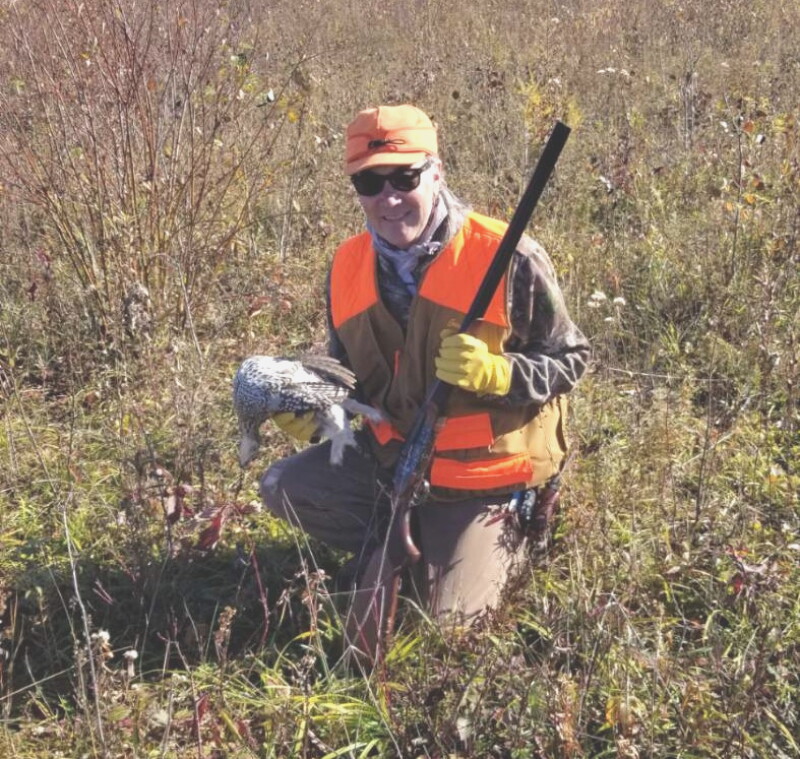
 Rochester Mason City Austin, MN, September 26, 2026 — The pursuit of the sharp-tailed grouse in Minnesota is gaining attention, drawing focus to both the hunting experience and crucial conservation efforts aimed at preserving the species. This trend highlights the dedication of individuals and organizations working to ensure the sharp-tailed grouse thrives across the state.
Michael Chalich, who serves as the president of the Minnesota Sharp-Tailed Grouse Society, shared insights into his lifelong connection with the bird. Chalich emphasized that the experience extends beyond the hunt itself, centering on the appreciation of the outdoor environment and the critical role of habitat conservation. He noted that such conservation initiatives are vital for the sharp-tailed grouse’s continued survival and the continuation of their mating rituals.
The discussion surrounding the sharp-tailed grouse also includes details on hunting seasons and specific areas within Minnesota where these birds can be found. Reports indicate that various conservation projects have seen success, a testament to the collaborative efforts of multiple organizations dedicated to wildlife management and habitat restoration. These projects underscore the importance of community involvement in ecological preservation.
The ongoing efforts aim to balance recreational hunting with the long-term health and viability of sharp-tailed grouse populations. The passion for this unique bird and its natural habitat continues to drive conservation work and hunting traditions in Minnesota. The specifics of individual conservation projects and their direct outcomes, while noted as successful, were not detailed within the provided summary. Similarly, particular hunting seasons and geographical areas were mentioned generally.
The Minnesota Sharp-Tailed Grouse Society and other participating organizations are central to these conservation endeavors. Their work focuses on maintaining and improving the habitats essential for the sharp-tailed grouse’s life cycle, ensuring that future generations can experience the tradition of following this species through Minnesota’s landscapes. The importance of habitat conservation for survival and mating rituals remains a key theme in discussions about the species’ future.
Story summarized from the original created by Andrew Weeks on www.postbulletin.com, see more information here.
Media gallery